Why Proper Fire Watch Training Matters: Setting the Standard for Safety and Readiness
Introduction
Fire emergencies are unpredictable and potentially devastating, especially in locations with impaired fire protection systems or during construction, renovations, or events. That’s where fire watch guards become crucial. These professionals serve as the first line of defense, protecting lives and property when systems are down or compromised. But being a fire watch guard isn’t just about standing by with a flashlight—it’s about intensive training, real-time awareness, and rapid response. Without the right knowledge and preparation, the presence of a fire watch guard becomes merely symbolic.
The importance of high-quality fire watch guard training can’t be overstated. Trained guards don’t just prevent fires; they manage risks, enforce safety standards, and know exactly what to do in the event of an emergency. A standout example in this field is The Fast Fire Watch Company - Fire Watch Guards, known for setting industry benchmarks in training and operational readiness.
Let’s dive deep into what makes fire watch guard training essential, how drills and preparedness are implemented, and what separates competent services from the best in the business.
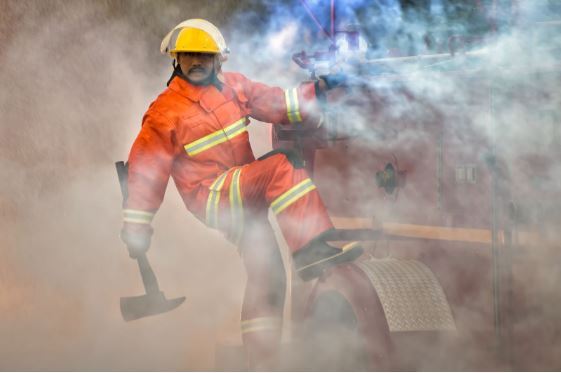
Understanding the Role of a Fire Watch Guard
Fire watch guards are specifically trained individuals assigned to monitor areas at risk for fire outbreaks, especially during times when alarm systems, sprinklers, or other fire protection systems are not functional. Their primary responsibilities include:
- Continuously patrolling designated areas
- Identifying and eliminating potential fire hazards
- Keeping detailed logs of activities
- Alerting emergency services at the first sign of smoke or fire
- Assisting in evacuation when needed
These tasks may sound straightforward, but without proper training, even a split-second delay in judgment can result in catastrophic loss. Fire watch guards need to operate with precision, calm under pressure, and an acute awareness of their surroundings—all of which can only be instilled through comprehensive training programs.
The Core Elements of Fire Watch Guard Training
Proper training for fire watch guards revolves around several critical components. These are not optional extras—they are the bedrock of effective fire safety enforcement.
- Fire Hazard Recognition
- Guards are trained to identify various fire risks, from faulty wiring and flammable materials to blocked exits and neglected hot work procedures.
- They learn how to spot and report violations or unsafe practices that could lead to fire incidents.
- Emergency Protocols
- Response time is everything during a fire emergency. Guards are instructed on how to activate fire alarms, contact local fire departments, and initiate evacuations quickly and efficiently.
- Use of Fire Extinguishers
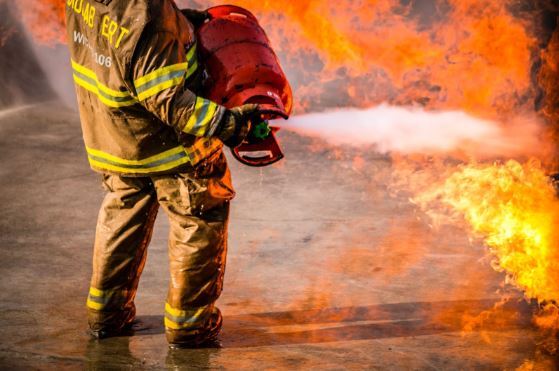
- Every fire watch guard must be capable of using different types of fire extinguishers and understanding when and where to use them.
- Evacuation Procedures
- Training includes how to manage orderly evacuations and assist individuals who may need help exiting the premises safely.
- Report Writing and Documentation
- Daily activity reports and incident logs are part of the guard’s responsibilities. These documents can be critical in fire investigations or legal matters post-incident.
Hands-On Drills: Why Practice Makes Perfect
Learning in theory is one thing; applying it in real-time situations is what truly makes a fire watch guard effective. That’s why training programs emphasize hands-on drills—simulated fire events that mimic real-life scenarios.
- Live fire drills allow guards to react to mock fire alarms, navigate through smoke simulations, and carry out evacuation drills under time pressure.
- Scenario-based training helps guards think critically and make decisions under stress.
- Team coordination drills simulate situations requiring multiple guards to work together, fostering communication and role clarity during emergencies.
These exercises develop confidence and muscle memory. In real emergencies, there’s no time for second-guessing—guards must act instinctively and correctly.
Preparedness Through Continued Education and Recertification
Initial training is just the beginning. Fire safety standards evolve, and so should the training. Top-tier companies invest in ongoing education and recertification programs to ensure that their fire watch personnel stay updated on the latest safety codes, regulations, and tactical procedures.
Recertification often involves:
- Refresher courses on updated protocols
- Re-assessment of hazard recognition skills
- Physical fitness evaluations
- Drill participation and scenario testing
This culture of continuous learning builds a team that doesn’t just pass a checklist but internalizes safety as a mindset.
The Fast Fire Watch Company: Raising the Bar
Among the leaders in this industry, The Fast Fire Watch Company - Fire Watch Guards stands out for its strict training protocols and nationwide reputation for reliability. What makes this service a benchmark in fire safety?
- Certified and Experienced Guards: Only qualified personnel are deployed, ensuring every guard meets high standards before stepping onto any site.
- 24/7 Nationwide Availability: The service is available around the clock, with same-day service in all 50 states—a testament to logistical readiness and scalability.
- Customized Training for Specific Industries: Whether it’s a construction site, industrial facility, event venue, or residential complex, the company tailors its training to meet the unique fire risks of each environment.
- Regulatory Compliance: All guards are trained in accordance with local and national fire safety codes, ensuring sites pass inspections and maintain legal compliance.
- Instant Deployment System: Emergency fire watch needs can arise without notice. Their systems are built for rapid deployment, backed by a well-prepared team.
Choosing the right fire watch service isn’t just a legal requirement—it can be the difference between a close call and a catastrophe. This company exemplifies how training, responsiveness, and professionalism come together to protect lives and property effectively.
Why Fire Watch Training Standards Are Non-Negotiable
The phrase “cutting corners” should never be associated with fire safety. Fire watch guards act as a critical bridge when automated systems are offline or compromised. Without proper training, they can’t fulfill this vital role effectively.
Here’s why training standards must never be compromised:
- Lives Depend on It: In emergencies, a guard’s knowledge and composure can save lives.
- Legal Liabilities: Untrained guards can put a business at risk of lawsuits and severe fines.
- Insurance Compliance: Many insurance providers require trained personnel during fire system outages.
- Reputation Protection: A fire incident caused by negligence can permanently damage a brand or organization’s credibility.
Professional fire watch services that invest in high-level training not only fulfill a functional role—they provide peace of mind. And that’s priceless.
Conclusion
Fire emergencies don’t give warnings. When the sprinklers are down, alarms are offline, or construction poses a risk, a properly trained fire watch guard is the first and best defense. Training, drills, and continuous preparation make all the difference in how effective this response will be. Not all fire watch services are created equal—choosing one like The Fast Fire Watch Company - Fire Watch Guards ensures the job is done not just by the book, but by professionals who live and breathe safety.
Whether it’s identifying a hidden hazard, initiating a timely evacuation, or standing guard through the night, fire watch guards with the right training do more than fulfill a requirement—they protect futures.
FAQs
- What certifications should a fire watch guard have?
A fire watch guard should have training that includes OSHA compliance, fire extinguisher use, emergency response procedures, and hazard recognition. Some states may require specific certifications or licenses.
- How often should fire watch training be updated?
Training should be refreshed at least annually, with additional sessions anytime there are changes in regulations or site-specific risks. High-quality services often provide quarterly or semi-annual drills.
- Can anyone become a fire watch guard?
Not everyone qualifies. Guards must pass background checks, meet physical fitness standards, and complete formal training programs. Experience in security or emergency services is often preferred.
- Why is documentation important for fire watch guards?
Daily activity logs and incident reports provide accountability, help in legal or insurance claims, and show regulatory compliance during inspections.
- How fast can a fire watch service be deployed in an emergency?
Leading services like The Fast Fire Watch Company offer same-day deployment, often within hours, thanks to their nationwide coverage and on-call teams.